
Practice Cambridge IELTS 15 Test 2 Listening (লাইন বাই লাইন বাংলা অনুবাদ).
PART 1
TIM: Good morning. You’re through to the tourist information office, Tim speaking. How can I help you?
বাংলা অর্থ: সুপ্রভাত। আপনি ট্যুরিস্ট ইনফরমেশন অফিসে ফোন করেছেন। আমি টিম বলছি। আপনাকে কীভাবে সাহায্য করতে পারি?
JEAN: Oh hello. Could you give me some information about next month’s festival, please? My family and I will be staying in the town that week.
বাংলা অর্থ: ওহ, হ্যালো। আপনি কি আমাকে আগামী মাসের উৎসব সম্পর্কে কিছু তথ্য দিতে পারবেন? ওই সপ্তাহে আমি এবং আমার পরিবার এই শহরে থাকব।
TIM: Of course. Well it starts with a concert on the afternoon of the 17th.
বাংলা অর্থ: অবশ্যই। আচ্ছা, ১৭ তারিখের বিকেলে একটি কনসার্টের মাধ্যমে উৎসবটি শুরু হবে।
JEAN: Oh I heard about that. The orchestra and singers come from the USA, don’t they?
বাংলা অর্থ: ওহ, আমি এ সম্পর্কে শুনেছি। অর্কেস্ট্রা দল এবং গায়কেরা যুক্তরাষ্ট্র থেকে আসবেন, তাই না?
TIM: They’re from Canada. They’re very popular over there. They’re going to perform a number of well-known pieces that will appeal to children as well as adults.
বাংলা অর্থ: তাঁরা কানাডা থেকে আসবেন। সেখানে তাঁরা খুব জনপ্রিয়। তাঁরা বেশ কয়েকটি পরিচিত সংগীত পরিবেশন করবেন, যেগুলো শিশুদের পাশাপাশি বড়দেরও ভালো লাগবে।
JEAN: That sounds good. My whole family are interested in music.
বাংলা অর্থ: শুনে ভালো লাগছে। আমার পরিবারের সবাই সংগীত পছন্দ করে।
TIM: The next day, the 18th, there’s a performance by a ballet company called Eustatis. (Q1)
বাংলা অর্থ: পরের দিন, অর্থাৎ ১৮ তারিখে, Eustatis নামের একটি ব্যালে দল নৃত্য পরিবেশন করবে। (Q1)
JEAN: Sorry?
বাংলা অর্থ: দুঃখিত? অর্থাৎ, নামটি কি আরেকবার বলবেন?
TIM: The name is spelt E-U-S-T-A-T-I-S. They appeared in last year’s festival, and went down very well. Again, their programme is designed for all ages.
বাংলা অর্থ: নামটির বানান হলো E-U-S-T-A-T-I-S। গত বছরের উৎসবেও তারা অংশ নিয়েছিল এবং দর্শকদের কাছ থেকে বেশ ভালো সাড়া পেয়েছিল। তাদের এবারের অনুষ্ঠানও সব বয়সের মানুষের উপযোগী করে তৈরি করা হয়েছে।
JEAN: Good. I expect we’ll go to that. I hope there’s going to be a play during the festival, a comedy, ideally.
বাংলা অর্থ: ভালো। আমার মনে হয় আমরা সেটি দেখতে যাব। আশা করি উৎসবে কোনো নাটকের আয়োজন থাকবে। সম্ভব হলে সেটি যেন একটি হাস্যরসাত্মক নাটক হয়।
TIM: You’re in luck! On the 19th and 20th a local amateur group are performing one written by a member of group. It’s called Jemima. That’ll be on in the town hall. They’ve already performed it two or three times. I haven’t seen it myself, but the review (Q2) in the local paper was very good.
বাংলা অর্থ: আপনার ভাগ্য ভালো! ১৯ ও ২০ তারিখে স্থানীয় একটি শৌখিন নাট্যদল তাদের দলের একজন সদস্যের লেখা একটি নাটক পরিবেশন করবে। নাটকটির নাম Jemima। এটি টাউন হলে মঞ্চস্থ হবে। তারা ইতিমধ্যে নাটকটি দুই বা তিনবার পরিবেশন করেছে। আমি নিজে নাটকটি দেখিনি, তবে স্থানীয় সংবাদপত্রে প্রকাশিত এর পর্যালোচনাটি (Q2) বেশ ভালো ছিল।
JEAN: And is it suitable for children?
বাংলা অর্থ: আর এটি কি শিশুদের জন্য উপযোগী?
TIM: Yes, in fact it’s aimed more at children than at adults, so both performances are in the afternoon.
বাংলা অর্থ: হ্যাঁ, আসলে এটি বড়দের তুলনায় শিশুদের কথা বেশি বিবেচনা করে তৈরি করা হয়েছে। তাই দুটি প্রদর্শনীই বিকেলে অনুষ্ঠিত হবে।
JEAN: And what about dance (Q3)? Will there be any performances?
বাংলা অর্থ: আর নাচের (Q3) কী ব্যবস্থা আছে? কোনো নৃত্য পরিবেশনা হবে কি?
TIM: Yes, also on the 20th, but in the evening. A professional company is putting on a show of modern pieces, with electronic music by young composers.
বাংলা অর্থ: হ্যাঁ, ২০ তারিখেই একটি অনুষ্ঠান হবে, তবে সন্ধ্যায়। একটি পেশাদার দল আধুনিক নৃত্যের পরিবেশনা করবে। এতে তরুণ সংগীত রচয়িতাদের তৈরি ইলেকট্রনিক সংগীত ব্যবহার করা হবে।
JEAN: Uh-huh.
বাংলা অর্থ: আচ্ছা, বুঝতে পেরেছি।
TIM: The show is about how people communicate, or fail to communicate, with each other, so it’s got the rather strange name, Chat. (Q4)
বাংলা অর্থ: অনুষ্ঠানটি মানুষের মধ্যে কীভাবে যোগাযোগ হয়, অথবা কখনো কীভাবে তারা একে অপরের সঙ্গে যোগাযোগ করতে ব্যর্থ হয়, সে বিষয় নিয়ে। তাই এর নাম রাখা হয়েছে কিছুটা অদ্ভুত নাম Chat। (Q4)
JEAN: I suppose that’s because that’s something we do both face to face and online.
বাংলা অর্থ: আমার ধারণা, এর কারণ হলো আমরা সামনাসামনি এবং অনলাইনে—উভয়ভাবেই একে অপরের সঙ্গে যোগাযোগ করি।
TIM: That’s right.
বাংলা অর্থ: ঠিক তাই।
TIM: Now there are also some workshops and other activities. They’ll all take place at least once every day, so everyone who wants to take part will have a chance.
বাংলা অর্থ: এবার ওয়ার্কশপ এবং অন্যান্য কিছু কার্যক্রম সম্পর্কেও বলছি। প্রতিদিন অন্তত একবার করে এগুলোর আয়োজন করা হবে। তাই যারা অংশগ্রহণ করতে চান, সবাই সুযোগ পাবেন।
JEAN: Good. We’re particularly interested in cookery – you don’t happen to have a cookery workshop, do you?
বাংলা অর্থ: ভালো। আমরা বিশেষভাবে রান্নাবান্নার বিষয়ে আগ্রহী। আপনাদের কি রান্নাবিষয়ক কোনো ওয়ার্কশপ আছে?
TIM: We certainly do. It’s going to focus on how to make food part of a healthy (Q5) lifestyle, and it’ll show that even sweet things like cakes can contain much less sugar than they usually do.
বাংলা অর্থ: অবশ্যই আছে। এই ওয়ার্কশপে স্বাস্থ্যকর (Q5) জীবনযাপনের অংশ হিসেবে কীভাবে খাবার তৈরি করতে হয়, তা শেখানো হবে। এতে দেখানো হবে যে কেকের মতো মিষ্টি খাবারেও সাধারণত ব্যবহৃত পরিমাণের তুলনায় অনেক কম চিনি ব্যবহার করা সম্ভব।
JEAN: That might be worth going to. We’re trying to encourage our children to cook.
বাংলা অর্থ: সেখানে যাওয়া আমাদের জন্য উপকারী হতে পারে। আমরা আমাদের সন্তানদের রান্না করতে উৎসাহিত করার চেষ্টা করছি।
TIM: Another workshop is just for children, and that’s on creating posters (Q6) to reflect the history of the town. The aim is to make children aware of how both the town and people’s lives have changed over the centuries. The results will be exhibited in the community centre. Then the other workshop is in toy-making, and that’s for adults only.
বাংলা অর্থ: আরেকটি ওয়ার্কশপ শুধু শিশুদের জন্য। সেখানে শহরের ইতিহাস তুলে ধরে পোস্টার (Q6) তৈরি করা শেখানো হবে। এর উদ্দেশ্য হলো, শতাব্দীর পর শতাব্দী ধরে শহরটি এবং এখানকার মানুষের জীবনযাত্রা কীভাবে পরিবর্তিত হয়েছে, সে সম্পর্কে শিশুদের সচেতন করা। তৈরি করা পোস্টারগুলো কমিউনিটি সেন্টারে প্রদর্শন করা হবে। এছাড়া খেলনা তৈরির আরেকটি ওয়ার্কশপ রয়েছে, যা শুধু বড়দের জন্য।
JEAN: Oh, why’s that?
বাংলা অর্থ: ওহ, কেন?
TIM: Because it involves carpentry – participants will be making toys out of wood (Q7), so there’ll be a lot of sharp chisels and other tools around.
বাংলা অর্থ: কারণ এতে কাঠের কাজ জড়িত। অংশগ্রহণকারীরা কাঠ দিয়ে খেলনা (Q7) তৈরি করবেন। তাই সেখানে অনেক ধারালো বাটালি এবং অন্যান্য যন্ত্রপাতি থাকবে।
JEAN: It makes sense to keep children away from it.
বাংলা অর্থ: শিশুদের এই কাজ থেকে দূরে রাখার সিদ্ধান্তটি যুক্তিসংগত।
TIM: Exactly. Now let me tell you about some of the outdoor activities. There’ll be supervised wild swimming …
বাংলা অর্থ: একদম ঠিক। এবার বাইরের পরিবেশে আয়োজিত কিছু কার্যক্রম সম্পর্কে বলি। সেখানে তত্ত্বাবধানে প্রাকৃতিক জলাশয়ে সাঁতার কাটার ব্যবস্থা থাকবে।
JEAN: Wild swimming? What’s that?
বাংলা অর্থ: প্রাকৃতিক জলাশয়ে সাঁতার? এটি আবার কী?
TIM: It just means swimming in natural waters, rather than a swimming pool.
বাংলা অর্থ: এর অর্থ হলো সুইমিং পুলের পরিবর্তে প্রাকৃতিক জলাশয়ে সাঁতার কাটা।
JEAN: Oh OK. In a lake (Q8), for instance.
বাংলা অর্থ: ওহ, বুঝেছি। যেমন, কোনো হ্রদে (Q8) সাঁতার কাটা।
TIM: Yes, there’s a beautiful one just outside the town, and that’ll be the venue for the swimming. There’ll be lifeguards on duty, so it’s suitable for all ages. And finally, there’ll be a walk in some nearby woods every day. The leader is an expert on insects (Q9). He’ll show some that live in the woods, and how important they are for the environment. So there are going to be all sorts of different things to do during the festival.
বাংলা অর্থ: হ্যাঁ, শহরের ঠিক বাইরে একটি সুন্দর হ্রদ রয়েছে এবং সেখানেই সাঁতার কাটার ব্যবস্থা করা হবে। সেখানে দায়িত্বরত লাইফগার্ড থাকবেন, তাই সব বয়সের মানুষের জন্য এটি উপযোগী। সবশেষে, প্রতিদিন কাছাকাছি কোনো বনে হাঁটার আয়োজন থাকবে। যিনি এই হাঁটার কার্যক্রম পরিচালনা করবেন, তিনি কীটপতঙ্গ (Q9) সম্পর্কে একজন বিশেষজ্ঞ। তিনি বনে বসবাসকারী বিভিন্ন ধরনের কীটপতঙ্গ দেখাবেন এবং পরিবেশের জন্য এগুলো কতটা গুরুত্বপূর্ণ, তা ব্যাখ্যা করবেন। সুতরাং উৎসব চলাকালে বিভিন্ন ধরনের কার্যক্রমে অংশগ্রহণের সুযোগ থাকবে।
JEAN: There certainly are.
বাংলা অর্থ: সত্যিই, অনেক ধরনের কার্যক্রম রয়েছে।
TIM: If you’d like to read about how the preparations for the festival are going, the festival organizer is keeping a blog (Q10). Just search online for the festival website, and you’ll find it.
বাংলা অর্থ: উৎসবের প্রস্তুতি কীভাবে এগিয়ে চলছে, সে সম্পর্কে পড়তে চাইলে উৎসবের আয়োজক একটি ব্লগ (Q10) লিখছেন। অনলাইনে উৎসবের ওয়েবসাইটটি খুঁজলেই আপনি সেটি পেয়ে যাবেন।
JEAN: Well, thank you very much for all the information.
বাংলা অর্থ: আচ্ছা, এতসব তথ্য দেওয়ার জন্য আপনাকে অনেক ধন্যবাদ।
TIM: You’re welcome. Goodbye.
বাংলা অর্থ: আপনাকে স্বাগতম। বিদায়।
JEAN: Goodbye.
বাংলা অর্থ: বিদায়।
PART 2
WOMAN: I’m very pleased to welcome this evening’s guest speaker, Mark Logan, who’s going to tell us about the recent transformation of Minster Park. Over to you, Mark.
বাংলা অর্থ: আজ সন্ধ্যার অতিথি বক্তা মার্ক লোগানকে স্বাগত জানাতে পেরে আমি অত্যন্ত আনন্দিত। তিনি আমাদের মিনস্টার পার্কের সাম্প্রতিক পরিবর্তন সম্পর্কে জানাবেন। এবার আপনার হাতে মাইক্রোফোন তুলে দিচ্ছি, মার্ক।
MARK: Thank you. I’m sure you’re all familiar with Minster Park. It’s been a feature of the city for well over a century, and has been the responsibility of the city council for most of that time. What perhaps isn’t so well known is the origin of the park: unlike many public parks that started in private ownership, as the garden of a large house, for instance, Minster was some waste land, which people living nearby started planting with flowers in 1892 (Q11). It was unclear who actually owned the land, and this wasn’t settled until 20 years later, when the council took possession of it.
বাংলা অর্থ: ধন্যবাদ। আমি নিশ্চিত যে আপনারা সবাই মিনস্টার পার্কের সঙ্গে পরিচিত। এক শতাব্দীরও বেশি সময় ধরে এটি শহরের একটি গুরুত্বপূর্ণ অংশ হিসেবে রয়েছে এবং এই দীর্ঘ সময়ের বেশিরভাগ সময়ই এটি সিটি কাউন্সিলের দায়িত্বে ছিল। তবে পার্কটির উৎপত্তি সম্পর্কে হয়তো অনেকেই তেমন জানেন না। অনেক পাবলিক পার্কের শুরু হয়েছিল ব্যক্তিগত মালিকানাধীন জায়গা থেকে, যেমন কোনো বড় বাড়ির বাগান হিসেবে। কিন্তু মিনস্টার পার্কের ক্ষেত্রে বিষয়টি ভিন্ন ছিল। এটি ছিল একটি অনাবাদি জমি, যেখানে ১৮৯২ সালে আশপাশের বাসিন্দারা ফুলের গাছ লাগানো শুরু করেন (Q11)। প্রকৃতপক্ষে জমিটির মালিক কে ছিলেন, তা স্পষ্ট ছিল না। বিশ বছর পর কাউন্সিল জমিটির মালিকানা গ্রহণ করলে এই সমস্যার সমাধান হয়।
MARK: You may have noticed the statue near one of the entrances. It’s of Diane Gosforth, who played a key role in the history of the park. Once the council had become the legal owner, it planned to sell the land for housing. Many local people (Q12) wanted it to remain a place that everyone could go to, to enjoy the fresh air and natural environment – remember the park is in a densely populated residential area. Diane Gosforth was one of those people, and she organised petitions and demonstrations (Q12), which eventually made the council change its mind about the future of the land.
বাংলা অর্থ: আপনারা হয়তো পার্কের একটি প্রবেশপথের কাছে থাকা মূর্তিটি লক্ষ্য করেছেন। এটি ডায়ান গসফোর্থের মূর্তি। পার্কটির ইতিহাসে তিনি গুরুত্বপূর্ণ ভূমিকা পালন করেছিলেন। কাউন্সিল যখন আইনগতভাবে জমিটির মালিক হয়ে যায়, তখন তারা সেখানে আবাসিক ভবন নির্মাণের জন্য জমিটি বিক্রি করার পরিকল্পনা করে। কিন্তু স্থানীয় অনেক মানুষ (Q12) চেয়েছিলেন, জায়গাটি এমন একটি স্থান হিসেবেই থাকুক, যেখানে সবাই বিশুদ্ধ বাতাস এবং প্রাকৃতিক পরিবেশ উপভোগ করতে আসতে পারে। মনে রাখবেন, পার্কটি এমন একটি আবাসিক এলাকায় অবস্থিত, যেখানে প্রচুর মানুষের বসবাস। ডায়ান গসফোর্থও তাদের একজন ছিলেন। তিনি গণস্বাক্ষর সংগ্রহ এবং বিক্ষোভের (Q12) আয়োজন করেন। শেষ পর্যন্ত এর ফলে কাউন্সিল জমিটির ভবিষ্যৎ পরিকল্পনা পরিবর্তন করতে বাধ্য হয়।
MARK: Soon after this the First World War broke out, in 1914, and most of the park was dug up and planted with vegetables (Q13), which were sold locally. At one stage the army considered taking it over for troop exercises and got as far as contacting the city council, then decided the park was too small to be of use. There were occasional public meetings during the war, in an area that had been retained as grass.
বাংলা অর্থ: এর কিছুদিন পর, ১৯১৪ সালে প্রথম বিশ্বযুদ্ধ শুরু হয়। তখন পার্কের বেশিরভাগ জায়গা খুঁড়ে সেখানে শাকসবজি চাষ করা হয় (Q13), যা স্থানীয়ভাবে বিক্রি করা হতো। একসময় সেনাবাহিনী সৈন্যদের প্রশিক্ষণের জন্য পার্কটি নিজেদের নিয়ন্ত্রণে নেওয়ার কথা বিবেচনা করেছিল। এ বিষয়ে তারা সিটি কাউন্সিলের সঙ্গে যোগাযোগও করেছিল। কিন্তু পরে তারা সিদ্ধান্ত নেয় যে পার্কটি এত ছোট যে সেখানে প্রশিক্ষণ দেওয়া সম্ভব নয়। যুদ্ধের সময় পার্কের যে অংশটি ঘাসযুক্ত অবস্থায় রাখা হয়েছিল, সেখানে মাঝে মাঝে জনসভা অনুষ্ঠিত হতো।
MARK: After the war, the park was turned back more or less to how it had been before 1914, and continued almost unchanged until recently. Plans for transforming it were drawn up at various times, most recently in 2013, though they were revised in 2015, before any work had started. The changes finally got going in 2016 (Q14), and were finished on schedule last year.
বাংলা অর্থ: যুদ্ধের পর পার্কটিকে মোটামুটি ১৯১৪ সালের আগের অবস্থায় ফিরিয়ে আনা হয়। সাম্প্রতিক সময় পর্যন্ত এটি প্রায় অপরিবর্তিত অবস্থায় ছিল। বিভিন্ন সময়ে পার্কটির উন্নয়ন ও পরিবর্তনের পরিকল্পনা তৈরি করা হয়েছিল। সর্বশেষ ২০১৩ সালে একটি পরিকল্পনা তৈরি করা হয়। তবে কোনো কাজ শুরু হওয়ার আগেই ২০১৫ সালে সেটি সংশোধন করা হয়। অবশেষে ২০১৬ সালে পরিবর্তনের কাজ শুরু হয় (Q14) এবং গত বছর নির্ধারিত সময় অনুযায়ী কাজ শেষ হয়।
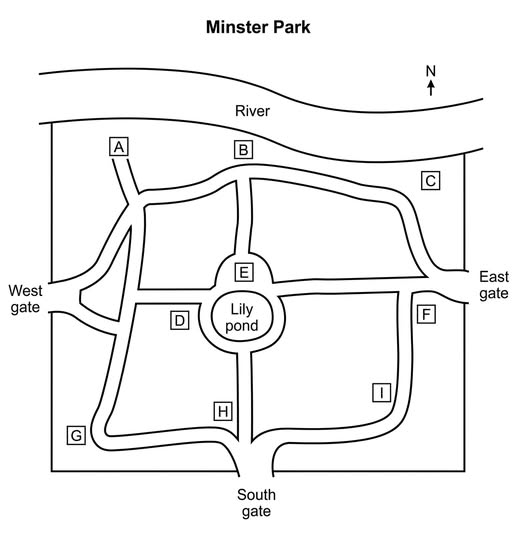
MARK: OK, let me tell you about some of the changes that have been made – and some things that have been retained. If you look at this map, you’ll see the familiar outline of the park, with the river forming the northern boundary, and a gate in each of the other three walls. The statue of Diane Gosforth has been moved: it used to be close to the south gate, but it’s now immediately to the north of the lily pond, almost in the centre of the park (Q15), which makes it much more visible.
বাংলা অর্থ: ঠিক আছে, এবার পার্কে কী কী পরিবর্তন আনা হয়েছে এবং কোন কোন বিষয় আগের মতো রাখা হয়েছে, তা বলছি। আপনারা এই মানচিত্রের দিকে তাকালে পার্কটির পরিচিত আকৃতি দেখতে পাবেন। এর উত্তর দিকে নদীটি পার্কের সীমানা তৈরি করেছে এবং বাকি তিনটি দেয়ালের প্রতিটিতে একটি করে প্রবেশপথ রয়েছে। ডায়ান গসফোর্থের মূর্তিটি স্থানান্তর করা হয়েছে। আগে এটি দক্ষিণ দিকের প্রবেশপথের কাছে ছিল, কিন্তু এখন এটি লিলি পুকুরের ঠিক উত্তরে, প্রায় পার্কের মাঝখানে স্থাপন করা হয়েছে (Q15)। ফলে মূর্তিটি এখন অনেক বেশি স্পষ্টভাবে দেখা যায়।
MARK: There’s a new area of wooden sculptures, which are on the river bank, where the path from the east gate makes a sharp bend. (Q16)
বাংলা অর্থ: নদীর তীরে কাঠের তৈরি ভাস্কর্যের একটি নতুন এলাকা তৈরি করা হয়েছে। পূর্ব দিকের প্রবেশপথ থেকে আসা পথটি যেখানে হঠাৎ বাঁক নিয়েছে, সেখানেই এগুলো রাখা হয়েছে। (Q16)
MARK: There are two areas that are particularly intended for children. The playground has been enlarged and improved, and that’s between the river and the path that leads from the pond to the river. (Q17)
বাংলা অর্থ: বিশেষভাবে শিশুদের জন্য দুটি জায়গা তৈরি করা হয়েছে। খেলার মাঠটি আরও বড় করা হয়েছে এবং এর উন্নয়ন করা হয়েছে। এটি নদী এবং পুকুর থেকে নদীর দিকে যাওয়া পথটির মাঝখানে অবস্থিত। (Q17)
MARK: Then there’s a new maze, a circular series of paths, separated by low hedges. That’s near the west gate – you go north from there towards the river and then turn left to reach it. (Q18)
বাংলা অর্থ: এরপর রয়েছে একটি নতুন গোলকধাঁধা বা মেইজ। এটি নিচু ঝোপঝাড় দিয়ে আলাদা করা কয়েকটি বৃত্তাকার পথের সমন্বয়ে তৈরি। এটি পশ্চিম দিকের প্রবেশপথের কাছে অবস্থিত। সেখান থেকে উত্তরের দিকে নদীর দিকে এগিয়ে গিয়ে বাঁ দিকে মোড় নিলেই সেখানে পৌঁছানো যাবে। (Q18)
MARK: There have been tennis courts in the park for many years, and they’ve been doubled, from four to eight. They’re still in the south-west corner of the park, where there’s a right-angle bend in the path. (Q19)
বাংলা অর্থ: বহু বছর ধরেই পার্কে টেনিস খেলার কোর্ট রয়েছে। আগে চারটি কোর্ট ছিল, কিন্তু এখন তা দ্বিগুণ করে আটটি করা হয়েছে। এগুলো এখনো পার্কের দক্ষিণ-পশ্চিম কোণে অবস্থিত, যেখানে পথটি সমকোণে বাঁক নিয়েছে। (Q19)
MARK: Something else I’d like to mention is the new fitness area. This is right next to the lily pond on the same side as the west gate. (Q20)
বাংলা অর্থ: আরেকটি বিষয় উল্লেখ করতে চাই, সেটি হলো নতুন ফিটনেস এলাকা। এটি লিলি পুকুরের ঠিক পাশেই অবস্থিত এবং পশ্চিম দিকের প্রবেশপথের একই পাশে রয়েছে। (Q20)
MARK: Now, as you’re all gardeners, I’m sure you’ll like to hear about the plants that have been chosen for the park.
বাংলা অর্থ: এবার যেহেতু আপনারা সবাই বাগানপ্রেমী, তাই পার্কটির জন্য যেসব গাছপালা নির্বাচন করা হয়েছে, সেগুলো সম্পর্কে শুনতে আপনাদের ভালো লাগবে বলে আমি মনে করি।
PART 3
CATHY: OK, Graham, so let’s check we both know what we’re supposed to be doing.
বাংলা অর্থ: ঠিক আছে, গ্রাহাম। তাহলে আমরা দুজনেই কী কাজ করতে যাচ্ছি, তা ঠিকমতো বুঝেছি কি না, একবার যাচাই করে নিই।
GRAHAM: OK.
বাংলা অর্থ: ঠিক আছে।
CATHY: So, for the university’s open day, we have to plan a display on British life and literature in the mid-19th century.
বাংলা অর্থ: বিশ্ববিদ্যালয়ের ওপেন ডে উপলক্ষে আমাদের উনিশ শতকের মাঝামাঝি সময়ের ব্রিটিশ জীবনযাত্রা ও সাহিত্য নিয়ে একটি প্রদর্শনীর পরিকল্পনা করতে হবে।
GRAHAM: That’s right. But we’ll have some people to help us find the materials and set it up, remember – for the moment, we just need to plan it.
বাংলা অর্থ: ঠিক তাই। তবে উপকরণ সংগ্রহ করা এবং প্রদর্শনীটি সাজানোর জন্য কিছু মানুষ আমাদের সাহায্য করবেন। মনে রেখো, আপাতত আমাদের শুধু এর পরিকল্পনা তৈরি করতে হবে।
CATHY: Good. So have you gathered who’s expected to come and see the display? Is it for the people studying English, or students from other departments? I’m not clear about it.
বাংলা অর্থ: ভালো। তাহলে এই প্রদর্শনী দেখতে কারা আসবেন, সে সম্পর্কে তুমি কি কোনো তথ্য পেয়েছ? এটি কি ইংরেজি বিভাগের শিক্ষার্থীদের জন্য, নাকি অন্য বিভাগের শিক্ষার্থীদের জন্য? বিষয়টি আমার কাছে পরিষ্কার নয়।
GRAHAM: Nor me. That was how it used to be, but it didn’t attract many people, so this year it’s going to be part of an open day, to raise the university’s profile. It’ll be publicised in the city, to encourage people to come and find out something of what goes on here (Q21/Q22). And it’s included in the information that’s sent to people who are considering applying to study here next year. (Q21/Q22)
বাংলা অর্থ: আমার কাছেও বিষয়টি পরিষ্কার নয়। আগে এভাবেই করা হতো, কিন্তু এতে খুব বেশি মানুষ আকৃষ্ট হতো না। তাই এ বছর বিশ্ববিদ্যালয়ের পরিচিতি ও সুনাম বাড়ানোর উদ্দেশ্যে এটিকে ওপেন ডে-র একটি অংশ করা হচ্ছে। শহরজুড়ে এর প্রচার করা হবে, যাতে মানুষ এখানে এসে বিশ্ববিদ্যালয়ে কী ধরনের কার্যক্রম পরিচালিত হয়, সে সম্পর্কে জানতে আগ্রহী হয় (Q21/Q22)। এছাড়া যারা আগামী বছর এখানে পড়াশোনার জন্য আবেদন করার কথা ভাবছেন, তাদের কাছে পাঠানো তথ্যের মধ্যেও এই প্রদর্শনীর কথা উল্লেখ করা হয়েছে। (Q21/Q22)
CATHY: Presumably some current students and lecturers will come?
বাংলা অর্থ: আমার ধারণা, বর্তমানে পড়াশোনা করছেন এমন কিছু শিক্ষার্থী এবং শিক্ষকও সেখানে আসবেন, তাই না?
GRAHAM: I would imagine so, but we’ve been told to concentrate on the other categories of people.
বাংলা অর্থ: আমারও তাই মনে হয়। তবে আমাদের অন্য ধরনের দর্শনার্থীদের ওপর বেশি গুরুত্ব দিতে বলা হয়েছে।
CATHY: Right. We don’t have to cover the whole range of 19th-century literature, do we?
বাংলা অর্থ: ঠিক আছে। আমাদের তো উনিশ শতকের সাহিত্যের সব বিষয় অন্তর্ভুক্ত করতে হবে না, তাই তো?
GRAHAM: No, it’s entirely up to us. I suggest just using Charles Dickens.
বাংলা অর্থ: না, বিষয়টি সম্পূর্ণ আমাদের সিদ্ধান্তের ওপর নির্ভর করছে। আমার পরামর্শ হলো, আমরা শুধু চার্লস ডিকেন্সকে নিয়ে কাজ করি।
CATHY: That’s a good idea. Most people have heard of him, and have probably read some of his novels, or seen films based on them (Q23/Q24), so that’s a good lead-in to life in his time.
বাংলা অর্থ: এটি একটি ভালো ধারণা। বেশিরভাগ মানুষই তাঁর নাম শুনেছে এবং সম্ভবত তাঁর কিছু উপন্যাস পড়েছে অথবা সেগুলোর ওপর ভিত্তি করে তৈরি চলচ্চিত্র দেখেছে (Q23/Q24)। তাই তাঁর সময়কার জীবনযাত্রা সম্পর্কে আলোচনা শুরু করার জন্য এটি একটি ভালো বিষয় হবে।
GRAHAM: Exactly. And his novels show the awful conditions that most people had to live in, don’t they: he wanted to shock people into doing something about it. (Q23/Q24)
বাংলা অর্থ: একদম ঠিক। তাঁর উপন্যাসগুলোতে অধিকাংশ মানুষকে যে ভয়াবহ পরিস্থিতির মধ্যে জীবনযাপন করতে হতো, তা তুলে ধরা হয়েছে। তিনি চেয়েছিলেন, এসব সমস্যা সম্পর্কে মানুষকে গভীরভাবে সচেতন করে তুলতে, যাতে তারা এগুলোর সমাধানে কিছু করতে উৎসাহিত হয়। (Q23/Q24)
CATHY: Did he do any campaigning, other than writing?
বাংলা অর্থ: লেখালেখি ছাড়াও তিনি কি কোনো প্রচারমূলক বা সামাজিক কার্যক্রমে অংশ নিয়েছিলেন?
GRAHAM: Yes, he campaigned for education and other social reforms, and gave talks, but I’m inclined to ignore that and focus on the novels.
বাংলা অর্থ: হ্যাঁ, তিনি শিক্ষা এবং অন্যান্য সামাজিক সংস্কারের পক্ষে প্রচারণা চালিয়েছিলেন এবং বিভিন্ন স্থানে বক্তব্যও দিয়েছিলেন। তবে আমি এসব বিষয় বাদ দিয়ে তাঁর উপন্যাসগুলোর ওপর গুরুত্ব দিতে চাই।
CATHY: Yes, I agree.
বাংলা অর্থ: হ্যাঁ, আমিও একমত।
CATHY: OK, so now shall we think about a topic linked to each novel?
বাংলা অর্থ: ঠিক আছে, তাহলে এবার আমরা কি প্রতিটি উপন্যাসের সঙ্গে সম্পর্কিত একটি করে বিষয় নিয়ে চিন্তা করব?
GRAHAM: Yes. I’ve printed out a list of Dickens’s novels in the order they were published, in the hope you’d agree to focus on him!
বাংলা অর্থ: হ্যাঁ। তিনি যেসব উপন্যাস লিখেছেন, সেগুলোর প্রকাশের ক্রমানুসারে একটি তালিকা আমি প্রিন্ট করে এনেছি। আশা করেছিলাম, তুমি তাঁকে নিয়ে কাজ করতে রাজি হবে!
CATHY: You’re lucky I did agree! Let’s have a look. OK, the first was The Pickwick Papers, published in 1836. It was very successful when it came out, wasn’t it, and was adapted for the theatre straight away.
বাংলা অর্থ: তুমি ভাগ্যবান যে আমি রাজি হয়েছি! আচ্ছা, এবার তালিকাটি দেখি। ঠিক আছে, প্রথম উপন্যাসটি ছিল The Pickwick Papers, যা ১৮৩৬ সালে প্রকাশিত হয়েছিল। প্রকাশিত হওয়ার পর এটি বেশ জনপ্রিয় হয়েছিল, তাই না? এমনকি খুব দ্রুত এটি মঞ্চনাটক হিসেবেও রূপান্তরিত হয়েছিল।
GRAHAM: There’s an interesting point, though, that there’s a character who keeps falling asleep, and that medical condition was named after the book – Pickwickian Syndrome. (Q25)
বাংলা অর্থ: তবে এখানে একটি মজার বিষয় রয়েছে। উপন্যাসটিতে এমন একজন চরিত্র আছে, যে বারবার ঘুমিয়ে পড়ে। পরবর্তীকালে সেই ধরনের একটি শারীরিক অবস্থার নাম এই বইয়ের নাম অনুসারে রাখা হয়েছিল—Pickwickian Syndrome। (Q25)
CATHY: Oh, so why don’t we use that as the topic, and include some quotations from the novel?
বাংলা অর্থ: ওহ, তাহলে আমরা কেন এটিকেই আলোচনার বিষয় হিসেবে বেছে নিচ্ছি না? আর উপন্যাসটি থেকে কিছু উদ্ধৃতিও অন্তর্ভুক্ত করতে পারি।
GRAHAM: Right, Next is Oliver Twist. There’s a lot in the novel about poverty. But maybe something less obvious …
বাংলা অর্থ: ঠিক আছে। পরের উপন্যাসটি হলো Oliver Twist। এই উপন্যাসে দারিদ্র্য সম্পর্কে অনেক কিছু বলা হয়েছে। তবে আমরা হয়তো এমন কোনো বিষয় বেছে নিতে পারি, যা তুলনামূলকভাবে কম স্পষ্ট।
CATHY: Well Oliver is taught how to steal, isn’t he? We could use that to illustrate the fact that very few children went to school, particularly not poor children, so they learnt in other ways. (Q26)
বাংলা অর্থ: আচ্ছা, অলিভারকে তো চুরি করতে শেখানো হয়েছিল, তাই না? আমরা এই বিষয়টি ব্যবহার করে বোঝাতে পারি যে তখন খুব কম শিশুই স্কুলে যেত। বিশেষ করে দরিদ্র পরিবারের শিশুরা স্কুলে যাওয়ার সুযোগ পেত না। ফলে তারা অন্য উপায়ে বিভিন্ন বিষয় শিখত। (Q26)
GRAHAM: Good idea. What’s next?
বাংলা অর্থ: ভালো ধারণা। এরপর কোন উপন্যাসটি?
CATHY: Maybe Nicholas Nickleby. Actually he taught in a really cruel school, didn’t he?
বাংলা অর্থ: সম্ভবত Nicholas Nickleby। এই উপন্যাসের চরিত্র নিকোলাস একটি অত্যন্ত নিষ্ঠুর স্কুলে শিক্ষকতা করেছিল, তাই না?
GRAHAM: That’s right. But there’s also the company of touring actors that Nicholas joins. We could do something on theatres and other amusements of the time. (Q27) We don’t want only the bad things, do we?
বাংলা অর্থ: ঠিক তাই। তবে নিকোলাস একটি ভ্রাম্যমাণ অভিনেতাদের দলের সঙ্গেও যোগ দিয়েছিল। আমরা সেই সময়ের থিয়েটার এবং অন্যান্য বিনোদনমূলক কার্যক্রম সম্পর্কে কিছু তুলে ধরতে পারি। (Q27) আমরা তো শুধু খারাপ দিকগুলোই তুলে ধরতে চাই না, তাই না?
CATHY: OK.
বাংলা অর্থ: ঠিক আছে।
GRAHAM: What about Martin Chuzzlewit? He goes to the USA, doesn’t he?
বাংলা অর্থ: Martin Chuzzlewit সম্পর্কে কী বলো? এই উপন্যাসের চরিত্রটি তো যুক্তরাষ্ট্রে যায়, তাই না?
CATHY: Yes, and Dickens himself had been there a year before, and drew on his experience there in the novel. (Q28)
বাংলা অর্থ: হ্যাঁ, আর ডিকেন্স নিজেও এর এক বছর আগে সেখানে গিয়েছিলেন। উপন্যাসটি লেখার সময় তিনি সেখানে অর্জিত নিজের অভিজ্ঞতা কাজে লাগিয়েছিলেন। (Q28)
GRAHAM: I wonder, though … The main theme is selfishness, so we could do something on social justice? No, too general, let’s keep to your idea – I think it would work well.
বাংলা অর্থ: তবে আমি একটু ভাবছি। উপন্যাসটির মূল বিষয় হলো স্বার্থপরতা। তাই আমরা সামাজিক ন্যায়বিচার নিয়ে কিছু করতে পারি কি? না, বিষয়টি খুব বেশি সাধারণ হয়ে যাবে। বরং তোমার প্রস্তাবিত বিষয়টিই রাখি। আমার মনে হয়, সেটি ভালো হবে।
CATHY: He wrote Bleak House next – that’s my favourite of his novels.
বাংলা অর্থ: এরপর তিনি Bleak House লিখেছিলেন। এটি তাঁর উপন্যাসগুলোর মধ্যে আমার সবচেয়ে প্রিয়।
GRAHAM: Yes, mine too. His satire of the legal system is pretty powerful.
বাংলা অর্থ: হ্যাঁ, আমারও। আইনব্যবস্থার ওপর তাঁর ব্যঙ্গাত্মক সমালোচনা বেশ শক্তিশালী।
CATHY: That’s true, but think about Esther, the heroine. As a child she lives with someone she doesn’t know is her aunt, who treats her very badly. Then she’s very happy living with her guardian, and he puts her in charge of the household. And at the end she gets married and her guardian gives her and her husband a house, where of course they’re very happy. (Q29)
বাংলা অর্থ: সেটি সত্যি। তবে প্রধান নারী চরিত্র এসথারের কথা চিন্তা করো। ছোটবেলায় সে এমন একজনের সঙ্গে বসবাস করে, যাকে সে তার খালা বলে জানত না। সেই মহিলা তার সঙ্গে খুব খারাপ আচরণ করতেন। পরে সে তার অভিভাবকের সঙ্গে বসবাস করতে শুরু করে এবং সেখানে খুব সুখী হয়। তার অভিভাবক তাকে বাড়ির সমস্ত দায়িত্ব দেন। শেষ পর্যন্ত তার বিয়ে হয় এবং তার অভিভাবক তাকে ও তার স্বামীকে একটি বাড়ি উপহার দেন। সেখানে তারা অবশ্যই সুখে বসবাস করে। (Q29)
GRAHAM: Yes, I like that.
বাংলা অর্থ: হ্যাঁ, আমার কাছে বিষয়টি ভালো লেগেছে।
CATHY: What shall we take next? Little Dorrit? Old Mr Dorrit has been in a debtors’ prison for years …
বাংলা অর্থ: এরপর কোন উপন্যাসটি নেব? Little Dorrit? বৃদ্ধ মি. ডরিট বহু বছর ধরে ঋণখেলাপিদের কারাগারে বন্দি ছিলেন।
GRAHAM: So was Dickens’s father, wasn’t he?
বাংলা অর্থ: ডিকেন্সের বাবাও তো এমন কারাগারে বন্দি ছিলেন, তাই না?
CATHY: That’s right.
বাংলা অর্থ: হ্যাঁ, ঠিক তাই।
GRAHAM: What about focusing on the part when Mr Dorrit inherits a fortune, and he starts pretending he’s always been rich? (Q30)
বাংলা অর্থ: মি. ডরিট যখন বিপুল সম্পত্তির উত্তরাধিকারী হন এবং এমন আচরণ করতে শুরু করেন যেন তিনি সবসময়ই ধনী ছিলেন, সেই অংশটির ওপর গুরুত্ব দিলে কেমন হয়? (Q30)
CATHY: Good idea.
বাংলা অর্থ: ভালো ধারণা।
GRAHAM: OK, so next we need to think about what materials we want to illustrate each issue. That’s going to be quite hard.
বাংলা অর্থ: ঠিক আছে। এবার প্রতিটি বিষয় তুলে ধরার জন্য আমরা কী ধরনের উপকরণ ব্যবহার করব, তা নিয়ে ভাবতে হবে। কাজটি বেশ কঠিন হবে।
PART 4
I’m going to report on a case study of a programme which has been set up to help rural populations in Mozambique, a largely agricultural country in South-East Africa.
বাংলা অর্থ: আমি মোজাম্বিকের গ্রামীণ জনগোষ্ঠীকে সাহায্য করার জন্য পরিচালিত একটি কর্মসূচির বাস্তব উদাহরণ নিয়ে আলোচনা করব। মোজাম্বিক দক্ষিণ-পূর্ব আফ্রিকার একটি দেশ, যেখানে কৃষিকাজই প্রধান পেশা।
The programme worked with three communities in Chicualacuala district, near the Limpopo River. This is a dry and arid region, with unpredictable rainfall. Because of this, people in the area were unable to support themselves through agriculture and instead they used the forest as a means of providing themselves with an income, mainly by selling charcoal. However, this was not a sustainable way of living in the long term, as they were rapidly using up this resource.
বাংলা অর্থ: এই কর্মসূচিটি লিম্পোপো নদীর কাছাকাছি চিকুয়ালাকুয়ালা জেলার তিনটি জনগোষ্ঠীর সঙ্গে কাজ করেছিল। এটি একটি শুষ্ক ও অনুর্বর অঞ্চল, যেখানে বৃষ্টিপাতের কোনো নির্দিষ্ট নিয়ম নেই। এ কারণে ওই এলাকার মানুষ কৃষিকাজের মাধ্যমে নিজেদের জীবিকা নির্বাহ করতে পারত না। পরিবর্তে তারা আয়ের উৎস হিসেবে বনভূমির ওপর নির্ভর করত। মূলত কাঠ পুড়িয়ে তৈরি করা কয়লা বিক্রি করে তারা অর্থ উপার্জন করত। কিন্তু দীর্ঘমেয়াদে এটি জীবনধারণের কোনো টেকসই উপায় ছিল না, কারণ এভাবে তারা দ্রুত বনভূমির সম্পদ শেষ করে ফেলছিল।
To support agriculture in this dry region, the programme focused primarily on making use of existing water resources from the Limpopo River by setting up systems of irrigation (Q31), which would provide a dependable water supply for crops and animals. The programme worked closely with the district government in order to find the best way of implementing this. The region already had one farmers’ association, and it was decided to set up two more of these. These associations planned and carried out activities including water management, livestock breeding and agriculture, and it was notable that in general, women (Q32) formed the majority of the workforce.
বাংলা অর্থ: এই শুষ্ক অঞ্চলে কৃষিকাজকে সহায়তা করার জন্য কর্মসূচিটি প্রধানত লিম্পোপো নদীর বিদ্যমান পানিসম্পদ ব্যবহার করার ওপর গুরুত্ব দেয়। এ উদ্দেশ্যে সেচব্যবস্থা (Q31) স্থাপন করা হয়, যার মাধ্যমে ফসল এবং গবাদিপশুর জন্য নির্ভরযোগ্য পানির সরবরাহ নিশ্চিত করা সম্ভব হতো। এটি বাস্তবায়নের সর্বোত্তম উপায় খুঁজে বের করার জন্য কর্মসূচিটি জেলা প্রশাসনের সঙ্গে ঘনিষ্ঠভাবে কাজ করে। ওই অঞ্চলে আগে থেকেই একটি কৃষক সমিতি ছিল। সেখানে আরও দুটি কৃষক সমিতি গঠন করার সিদ্ধান্ত নেওয়া হয়। এসব সমিতি পানিসম্পদ ব্যবস্থাপনা, গবাদিপশুর প্রজনন এবং কৃষিকাজসহ বিভিন্ন কার্যক্রমের পরিকল্পনা ও বাস্তবায়ন করত। লক্ষণীয় বিষয় হলো, সাধারণত এসব কাজে অধিকাংশ শ্রমিকই ছিলেন নারী (Q32)।
It was decided that in order to keep the crops safe from animals, both wild and domestic, special areas should be fenced off where the crops could be grown. The community was responsible for creating these fences, but the programme provided the necessary wire (Q33) for making them.
বাংলা অর্থ: বন্য ও গৃহপালিত উভয় ধরনের প্রাণীর হাত থেকে ফসল রক্ষা করার জন্য নির্দিষ্ট কিছু জায়গা বেড়া দিয়ে ঘিরে ফেলার সিদ্ধান্ত নেওয়া হয়। এসব বেড়া তৈরি করার দায়িত্ব ছিল স্থানীয় জনগোষ্ঠীর। তবে কর্মসূচির পক্ষ থেকে বেড়া তৈরির জন্য প্রয়োজনীয় তার (Q33) সরবরাহ করা হয়েছিল।
Once the area had been fenced off, it could be cultivated. The land was dug, so that vegetables and cereals appropriate to the climate could be grown, and the programme provided the necessary seeds (Q34) for this. The programme also provided pumps so that water could be brought from the river in pipes to the fields. However, the labour was all provided by local people, and they also provided and put up the posts (Q35) that supported the fences around the fields.
বাংলা অর্থ: নির্দিষ্ট জায়গাটি বেড়া দিয়ে ঘিরে ফেলার পর সেখানে চাষাবাদ করা সম্ভব হয়। জমি খুঁড়ে এমন সবজি ও শস্য চাষের ব্যবস্থা করা হয়, যেগুলো ওই এলাকার আবহাওয়ার সঙ্গে মানানসই। এ কাজে কর্মসূচির পক্ষ থেকে প্রয়োজনীয় বীজ (Q34) সরবরাহ করা হয়। কর্মসূচিটি পানির পাম্পও সরবরাহ করে, যাতে পাইপের মাধ্যমে নদী থেকে পানি এনে জমিতে ব্যবহার করা যায়। তবে সমস্ত শ্রম স্থানীয় মানুষই দিয়েছিল। এছাড়া জমির চারপাশের বেড়াকে ধরে রাখার জন্য প্রয়োজনীয় খুঁটিও (Q35) তারা সরবরাহ ও স্থাপন করেছিল।
Once the programme had been set up, its development was monitored carefully. The farmers were able to grow enough produce not just for their own needs, but also to sell. However, getting the produce to places where it could be marketed was sometimes a problem, as the farmers did not have access to transport (Q36), and this resulted in large amounts of produce, especially vegetables, being spoiled. This problem was discussed with the farmers’ associations and it was decided that in order to prevent food from being spoiled, the farmers needed to learn techniques for its preservation. (Q37)
বাংলা অর্থ: কর্মসূচিটি চালু হওয়ার পর এর অগ্রগতি সতর্কতার সঙ্গে পর্যবেক্ষণ করা হয়। কৃষকেরা নিজেদের প্রয়োজন মেটানোর পাশাপাশি বিক্রি করার জন্যও পর্যাপ্ত ফসল উৎপাদন করতে সক্ষম হন। কিন্তু উৎপাদিত ফসল বাজারজাত করার জন্য বিভিন্ন স্থানে নিয়ে যাওয়া কখনো কখনো সমস্যার কারণ হয়ে দাঁড়ায়। কারণ কৃষকদের পরিবহনের (Q36) পর্যাপ্ত ব্যবস্থা ছিল না। ফলে প্রচুর পরিমাণে উৎপাদিত ফসল, বিশেষ করে শাকসবজি, নষ্ট হয়ে যেত। এই সমস্যাটি কৃষক সমিতিগুলোর সঙ্গে আলোচনা করা হয়। সিদ্ধান্ত নেওয়া হয় যে খাবার নষ্ট হওয়া রোধ করার জন্য কৃষকদের খাদ্য সংরক্ষণের (Q37) বিভিন্ন পদ্ধতি শেখানো প্রয়োজন।
There was also an additional initiative that had not been originally planned, but which became a central feature of the programme. This was when farmers started to dig holes for tanks in the fenced-off areas and to fill these with water and use them for breeding fish (Q38) – an important source of protein. After a time, another suggestion was made by local people which hadn’t been part of the programme’s original proposal, but which was also adopted later on. They decided to try setting up colonies of bees (Q39), which would provide honey both for their own consumption and to sell.
বাংলা অর্থ: কর্মসূচিতে আরও একটি উদ্যোগ যুক্ত হয়েছিল, যা শুরুতে পরিকল্পনার অংশ ছিল না। কিন্তু পরবর্তীতে এটি কর্মসূচির একটি গুরুত্বপূর্ণ অংশে পরিণত হয়। কৃষকেরা বেড়া দিয়ে ঘেরা জায়গাগুলোর মধ্যে পানির ট্যাংক তৈরির জন্য গর্ত খুঁড়তে শুরু করেন। এরপর সেগুলোতে পানি ভরে মাছ চাষের (Q38) কাজে ব্যবহার করেন। মাছ প্রোটিনের একটি গুরুত্বপূর্ণ উৎস। কিছুদিন পর স্থানীয় মানুষের পক্ষ থেকে আরও একটি প্রস্তাব আসে। এটিও কর্মসূচির মূল পরিকল্পনায় ছিল না, তবে পরবর্তীতে তা গ্রহণ করা হয়। তারা মৌমাছির কলোনি (Q39) বা মৌচাক স্থাপনের চেষ্টা করার সিদ্ধান্ত নেন। এর মাধ্যমে তারা নিজেদের ব্যবহারের পাশাপাশি বিক্রির জন্যও মধু উৎপাদন করতে পারতেন।
So what lessons can be learned from this programme? First of all, it tells us that in dry, arid regions, if there is access to a reliable source of water, there is great potential for the development of agriculture. In Chicualacuala, there was a marked improvement in agricultural production, which improved food security and benefited local people by providing them with both food and income. However, it’s important to set realistic timelines for each phase of the programme, especially for its design (Q40), as mistakes made at this stage may be hard to correct later on.
বাংলা অর্থ: তাহলে এই কর্মসূচি থেকে আমরা কী কী শিক্ষা পেতে পারি? প্রথমত, এটি আমাদের শেখায় যে শুষ্ক ও অনুর্বর অঞ্চলেও যদি পানির নির্ভরযোগ্য উৎস পাওয়া যায়, তাহলে কৃষির উন্নয়নের ব্যাপক সম্ভাবনা রয়েছে। চিকুয়ালাকুয়ালা অঞ্চলে কৃষি উৎপাদনে উল্লেখযোগ্য উন্নতি হয়েছিল। এর ফলে খাদ্যনিরাপত্তা বৃদ্ধি পায় এবং স্থানীয় মানুষ খাদ্য ও আয়—উভয় দিক থেকেই উপকৃত হয়। তবে কর্মসূচির প্রতিটি ধাপের জন্য বাস্তবসম্মত সময়সীমা নির্ধারণ করা অত্যন্ত গুরুত্বপূর্ণ। বিশেষ করে পরিকল্পনা প্রণয়নের (Q40) পর্যায়ে পর্যাপ্ত সময় দেওয়া প্রয়োজন। কারণ এই পর্যায়ে কোনো ভুল হলে পরবর্তীতে তা সংশোধন করা কঠিন হতে পারে।
The programme demonstrates that sustainable development is possible in areas where …
বাংলা অর্থ: এই কর্মসূচিটি প্রমাণ করে যে সেখানেই টেকসই উন্নয়ন সম্ভব যেসব এলাকায় …… ।
Part 1: Festival Information
1. Eustatis
2. review
3. dance
4. Chat
5. healthy
6. posters
7. wood
8. lake
9. insects
10. blog
Part 2: Minster Park
11. C
12. A
13. B
14. C
15. E
16. C
17. B
18. A
19. G
20. D
Part 3: Cathy and Graham (Novels by Dickens)
21 & 22. B, D (in either order)
23 & 24. B, C (in either order)
25. G
26. B
27. D
28. C
29. H
30. F
Part 4: Agricultural Programme in Mozambique
31. irrigation
32. women
33. wire(s)
34. seed(s)
35. posts
36. transport
37. preservation
38. fish(es)
39. bees
40. design